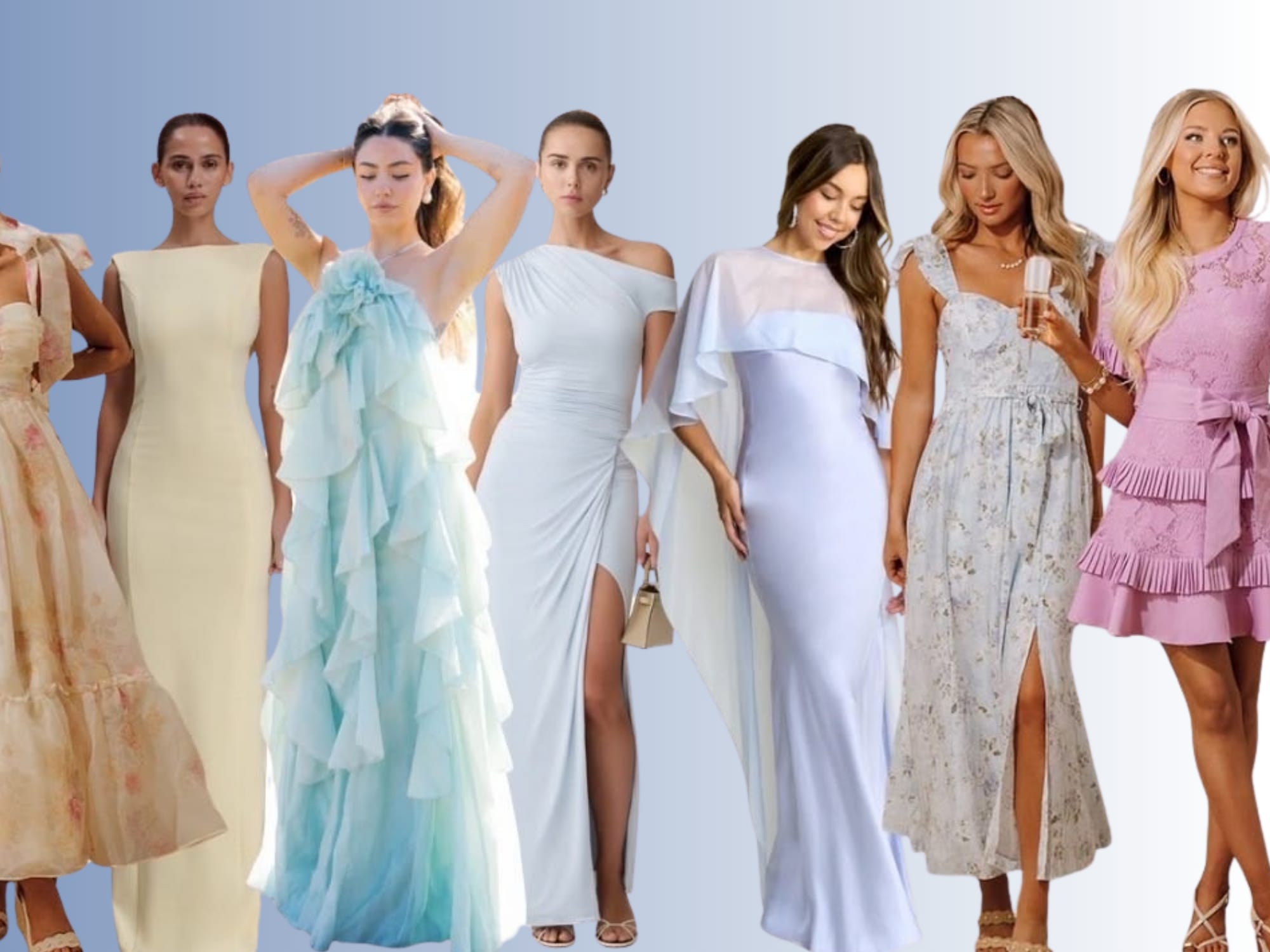
Wedding Guest Dress Codes Explained: What to Wear for Every Wedding Style
If you’ve ever stared at a wedding invite wondering what does this actually mean? You’re not alone.From black tie to beach formal, dress codes can feel more...
If you’ve ever stared at a wedding invite wondering what does this actually mean? You’re not alone.
From black tie to beach formal, dress codes can feel more confusing than helpful. But once you understand the intent behind each one, getting dressed becomes a lot easier—and a lot more fun.
Here’s how to decode every wedding dress code, without overthinking it.
Black Tie
The vibe: Formal, elevated, evening-first
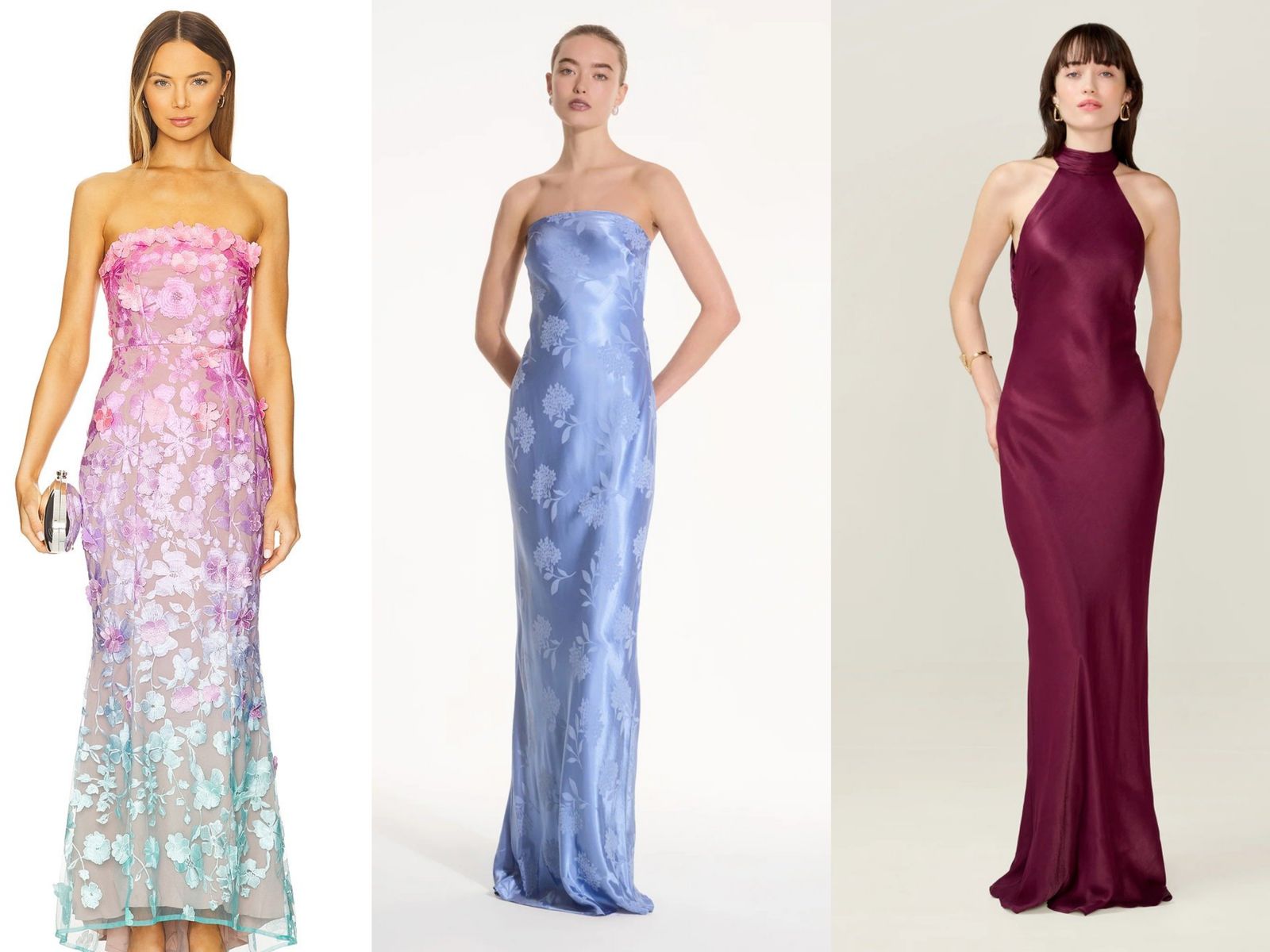
Black tie is the most formal wedding dress code you’re likely to come across, and it usually calls for a look that feels unmistakably elevated. If the wedding is in the evening, in a grand venue, or clearly positioned as a high-formality event, this is your cue to dress up properly.
For women, that usually means a floor-length gown or a very polished midi dress in a fabric that feels occasion-ready. Satin, silk, chiffon, velvet, crepe, or anything with a refined finish tends to work well. The overall impression should feel elegant rather than trendy for the sake of it.
This is not the dress code to interpret too casually. If a dress feels like something you could also wear to brunch, a garden party, or a standard dinner out, it probably is not formal enough. Very short hemlines, overly casual fabrics, jersey materials, daytime florals, or anything that feels too relaxed can miss the mark here.
What matters most with black tie is the level of effort. Hair, shoes, jewellery, and outerwear all need to support the outfit. Even if the dress itself is minimal, the finished look should still feel considered.
A good way to sense-check it is this: if everyone else arrived in long dresses and polished eveningwear, would your outfit still feel at home in the room?
Shop the Look
Formal or Black Tie Optional
Vibe: Polished, elevated, effort without rigidity
This is where people often get confused, because the wording sounds flexible, but it still sits firmly on the smarter end of the scale.
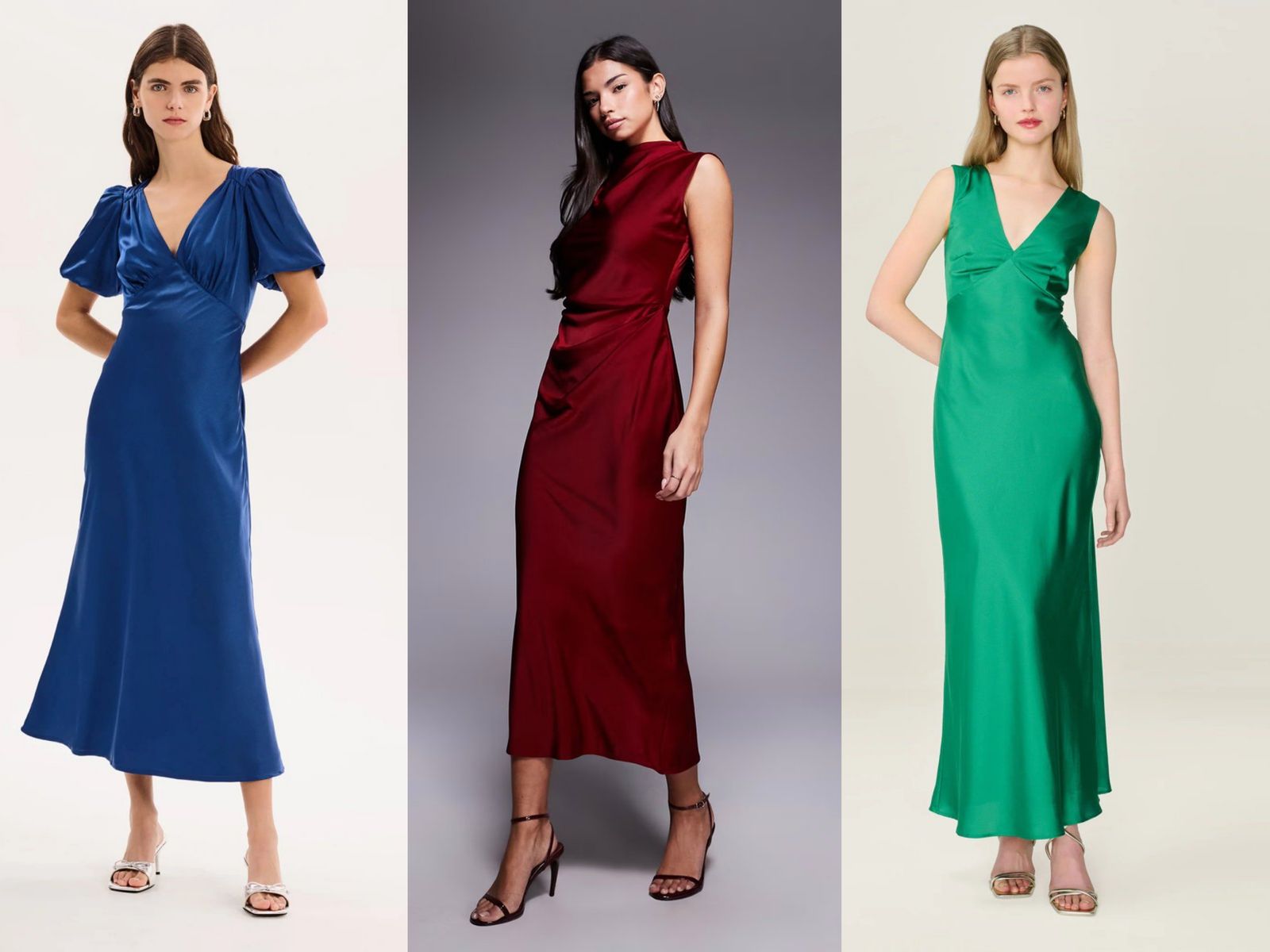
Formal or black tie optional usually means the wedding wants guests to look elevated, but it is not insisting on full eveningwear across the board. You do not have to wear a gown, but you do need to look dressed for a significant occasion.
A midi dress is often the easiest answer here. Something tailored, clean, and well-finished will almost always work. You could also wear a sleek full-length dress, a sharply cut jumpsuit, or a polished co-ord if it feels dressy enough. Fabrics still matter. This is not a casual category dressed up with heels.
The mistake people make with this dress code is treating “optional” as permission to go relaxed. It is not. The better way to think about it is that you are aiming for the elegance of black tie, just with slightly more freedom in how you get there.
If black tie is full evening glamour, formal is best described as polished occasionwear. You should still look unmistakably wedding-ready, just not necessarily in a gown.
Shop the Look
Cocktail Attire
Vibe: Social, expressive, dressed-up but fun
Cocktail is probably the most familiar wedding dress code, but it is also one of the easiest to get slightly wrong because it sits in the middle.
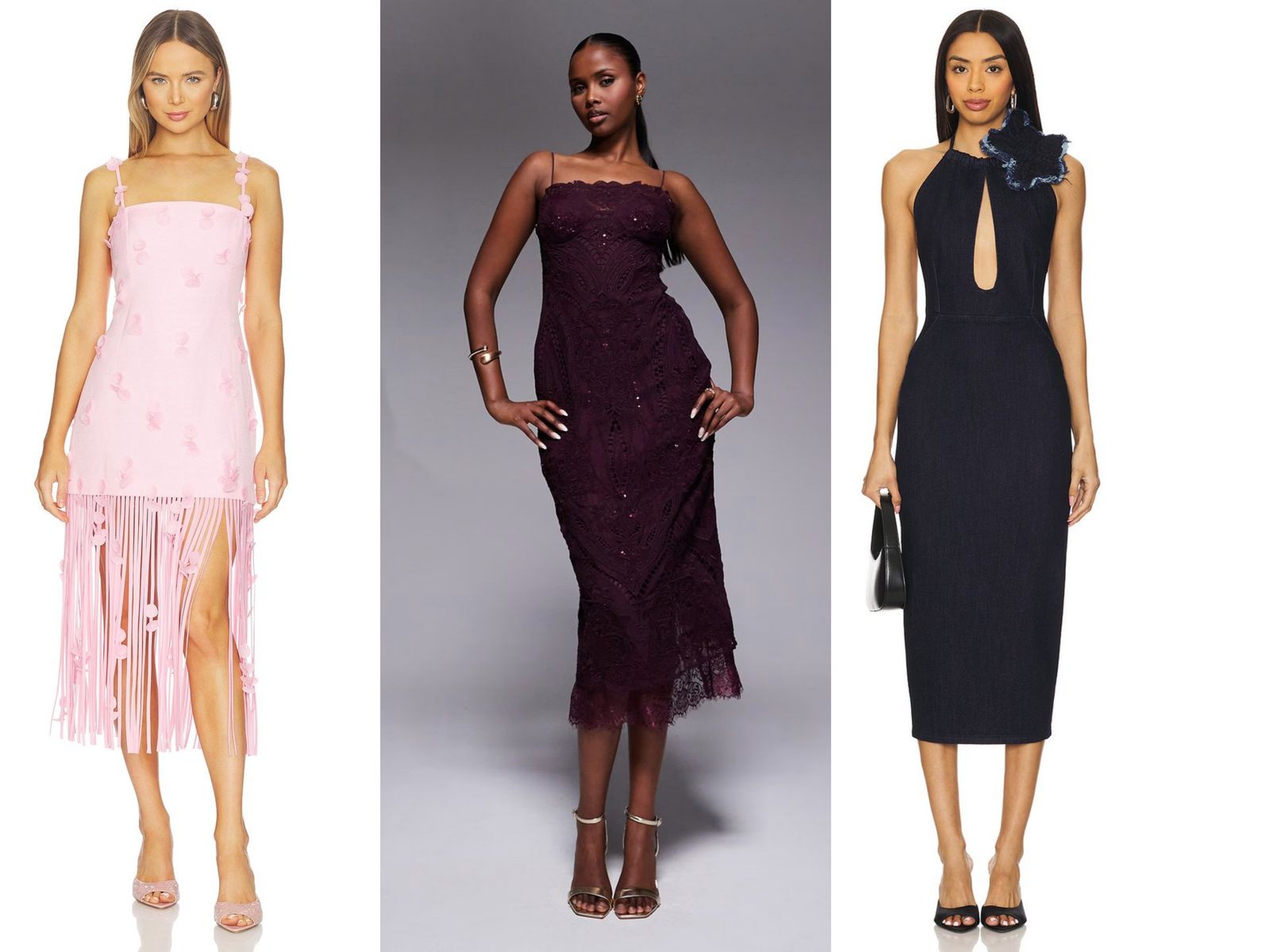
The aim here is to look dressed up, stylish, and event-appropriate without going full formal. Midi dresses are usually the safest option, though a smart mini can work depending on the venue, the fabric, and the overall styling. Structured silhouettes, interesting necklines, richer colours, and elevated fabrics all sit well in this category.
Cocktail is often where people can show a little more personality. This is a good space for colour, detail, or trend-led styling, as long as the final look still feels polished. You want to look like you made an effort, not like you are trying to steal the room.
What to be careful of is swinging too far in either direction. Too formal, and you can look overdressed for the brief. Too casual, and you risk looking like you have dressed for drinks rather than a wedding. Shoes, bag, and jewellery often make the difference here. They help signal that the outfit is occasionwear, not just a nice dress.
Cocktail usually works best when the look feels balanced: dressed up, but not dramatic.
Shop the Look
Semi-Formal or Dressy Casual
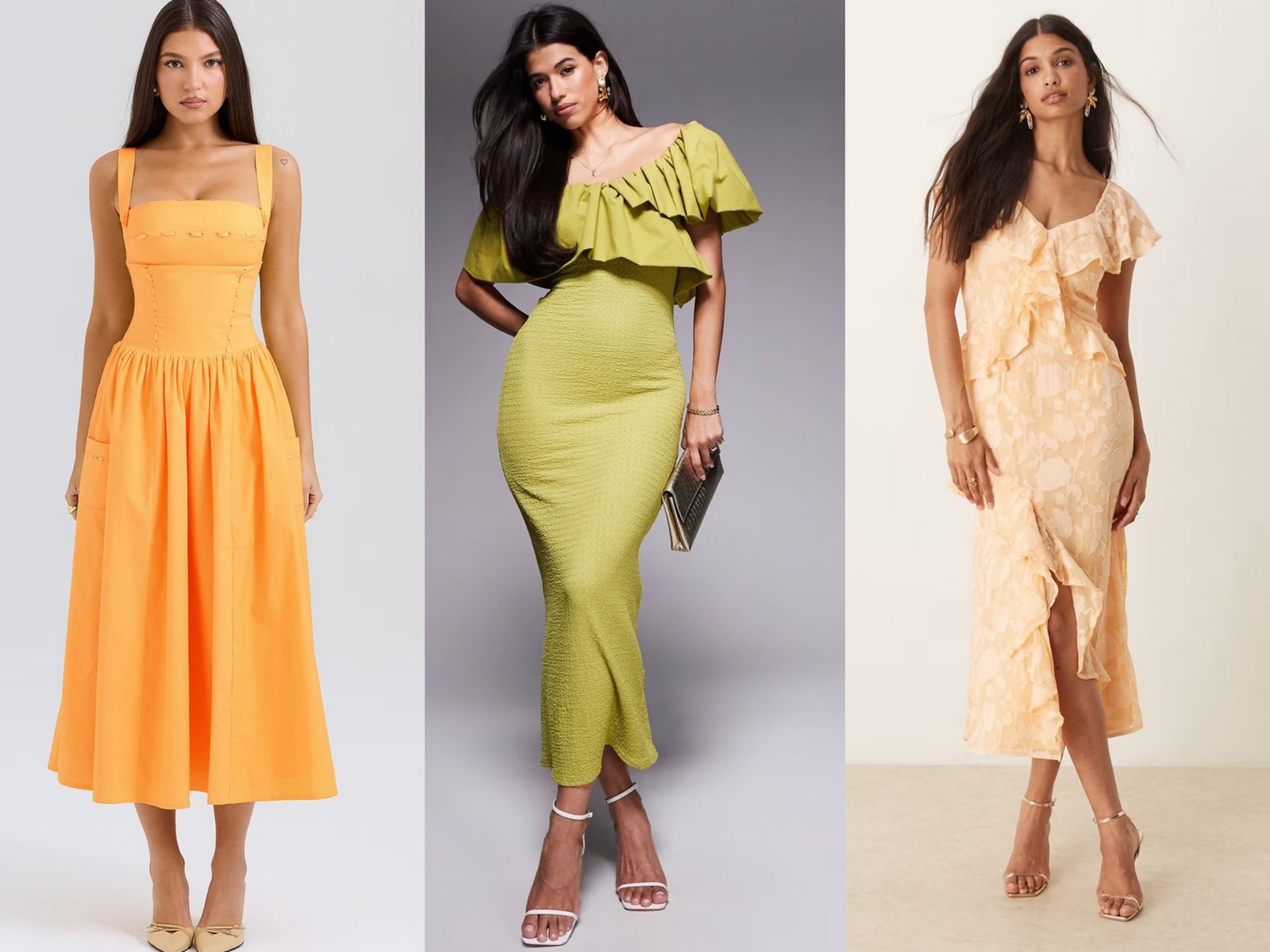
Vibe: Easy, considered, put-together
This category sounds relaxed, but it still requires thought. The best way to approach semi-formal or dressy casual is to think “easy but intentional.”
You do not need the structure or finish of formalwear, but you do need to look like you understood that this is still a wedding. Midi dresses, softer tailoring, co-ords, slips with layers, and lighter fabrics all make sense here. You have more freedom with prints, softer colours, and more relaxed silhouettes, especially for daytime weddings.
Shop the Look
Where people get caught out is assuming the word “casual” means casual in the everyday sense. It does not. Jeans, trainers, beachwear, and anything that feels too off-duty are still out. Equally, a full satin gown or very high-glam styling can feel too much.
This dress code is often influenced heavily by setting. A garden wedding, rustic venue, or daytime ceremony may naturally sit in this space. The right outfit should feel comfortable, flattering, and clearly chosen for the occasion, but not overly formal.
If formalwear feels too much and your everyday wardrobe feels too little, this is the middle ground.
Beach or Destination Wedding
Vibe: Light, effortless, location-aware
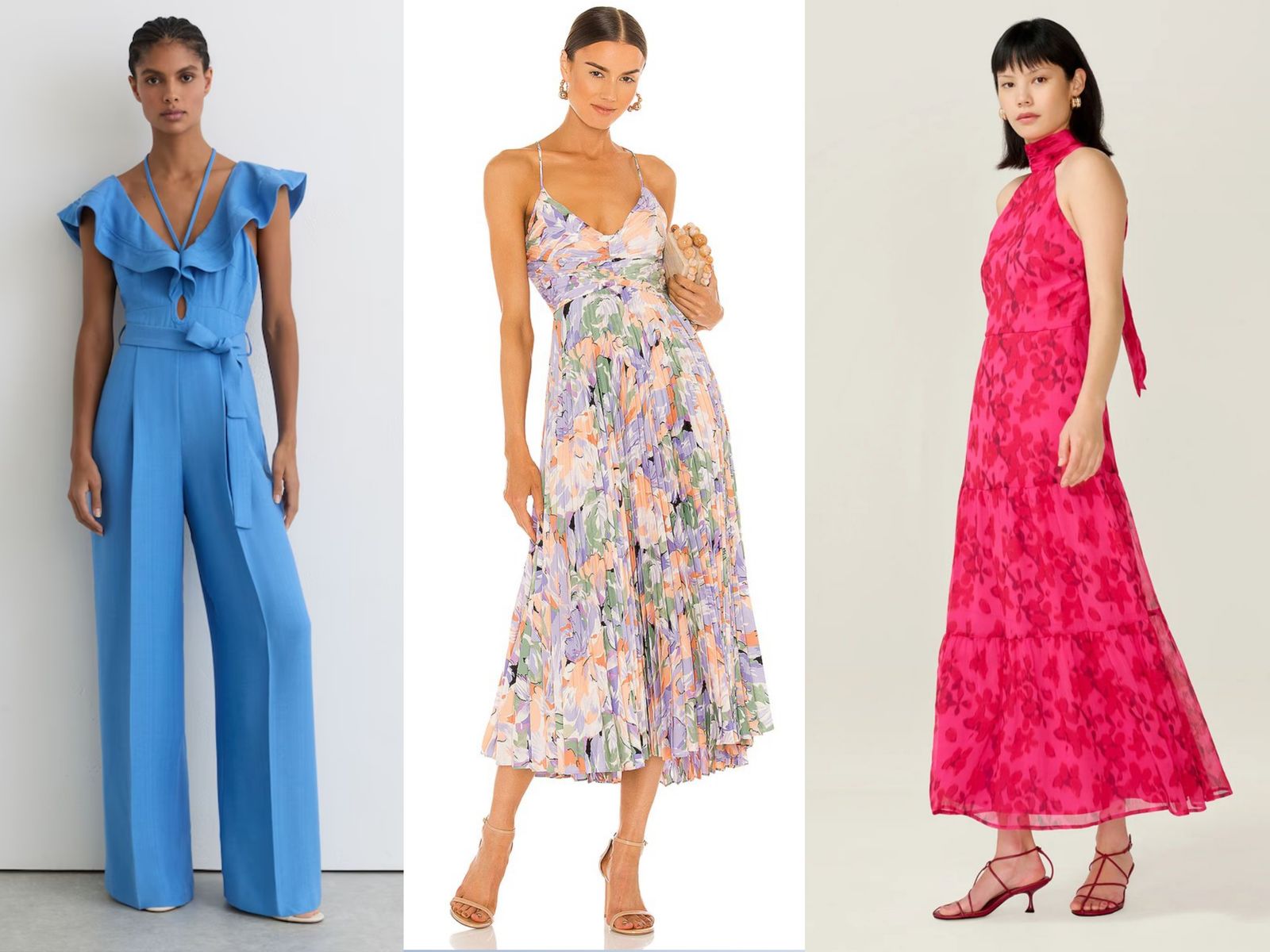
Beach and destination wedding dress codes are shaped as much by practicality as style. The location matters here, and ignoring that is usually the quickest way to get your outfit wrong.
Breathable fabrics are key. Linen blends, chiffon, cotton poplin, lighter satins, and fluid dresses tend to work well. The silhouette should move easily and feel comfortable in heat, wind, or uneven ground. Sandals, wedges, or lower heels are often much more realistic than stilettos.
What people often misunderstand about destination weddings is that “beach” does not mean careless. You still need to look like a guest at a wedding, not like you are heading for lunch on holiday. Very flimsy fabrics, overly casual sundresses, flip-flops, or anything that looks too daytime can quickly make the outfit feel underdone.
Colour can often be lighter here, and prints can work well depending on the wedding style, but the outfit still needs polish. Accessories, fabric choice, and fit help keep it in occasionwear territory.
The smartest way to dress for this category is to combine elegance with common sense. If you cannot walk in the shoes, move in the dress, or survive the weather, it is probably not the right choice.
Shop the Look
A Few Wedding Guest Rules That Help Across Every Dress Code
Even when the invite gives you a dress code, there are a few things worth considering before you choose your outfit.
The first is timing. Evening weddings usually call for more depth, structure, and polish. Daytime weddings often allow for lighter colours, softer fabrics, and a slightly more relaxed feel.
The second is venue. A black tie city wedding and a black tie country house wedding may share the same dress code, but the styling can still shift. One may feel sleeker and sharper, while the other leans softer and more romantic.
The third is season. Velvet in August or barely-there chiffon in November can make even a beautiful outfit feel wrong for the setting. The best wedding guest looks always feel in sync with the time of year.
And finally, there is one rule that is almost always true: it is easier to recover from being slightly overdressed than noticeably underdressed.
The Easiest Way to Decide
If you are still unsure, ask yourself three questions:
What time is the wedding?
Where is it being held?
Does my outfit look like I chose it specifically for this event?
If the answer to that last question is yes, you are usually on the right track.
Final Thoughts
The best wedding guest outfit is not just the one that looks good on you. It is the one that fits the moment.
Dress codes are there to give you a framework. Once you understand the level of formality, the setting, and the tone of the day, it becomes much easier to choose something that feels appropriate, stylish, and comfortable.
That is the sweet spot people are really looking for. Find your wedding guest outfit on SO-ME, today.